
Flanges
Flanges
Weld neck, slip-on, blind, socket weld, threaded, lap joint and plate flanges to ASME B16.5, B16.47 and EN 1092-1, in stainless, carbon and alloy steel.
Range
Flange types
 SS flangesStainless steel flanges to ASME, EN 1092-1 and JIS
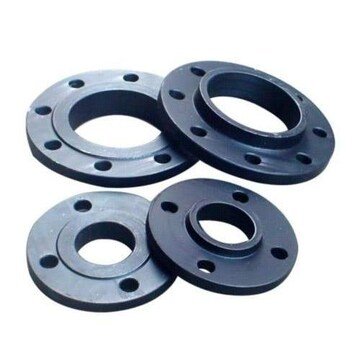 Threaded flangesThreaded (screwed) flanges with NPT or BSPT threads to ASME B16.5 and EN 1092-1, in…
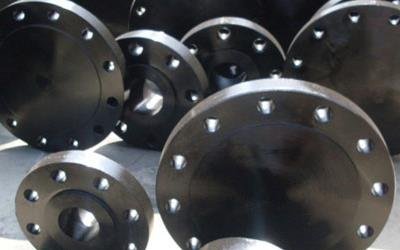 Blind flangesForged blind flanges, spectacle blinds and spacers to ASME B16.5, B16.47 and EN…
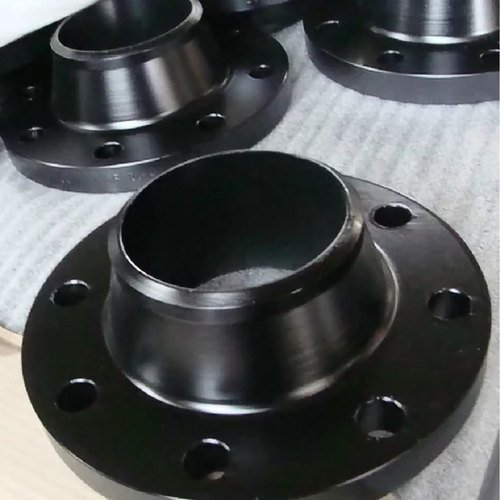 Weld neck flangesForged weld neck flanges to ASME B16.5, B16.47 and EN 1092-1, RF and RTJ, in…
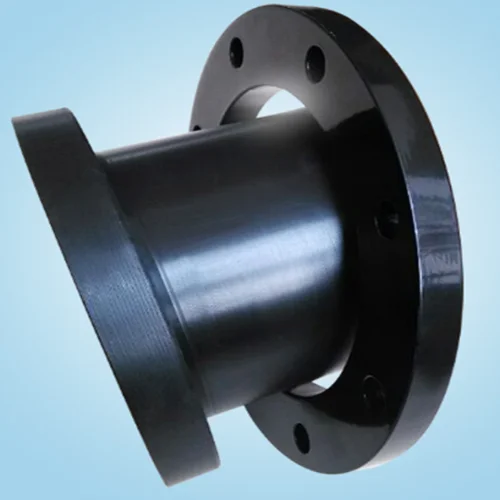 Lap joint flangesLap joint flanges with matching stub ends to ASME B16.5, including carbon steel…
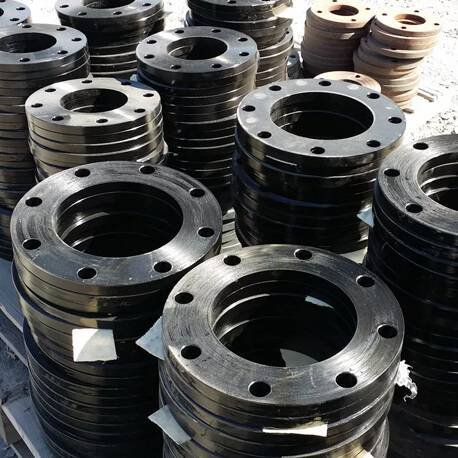 Socket weld flangesSocket weld flanges to ASME B16.5 for small-bore, high-pressure lines, RF and RTJ, in…Plate flangesPlate flanges cut from stainless and carbon steel plate, drilled to EN 1092-1, BS…
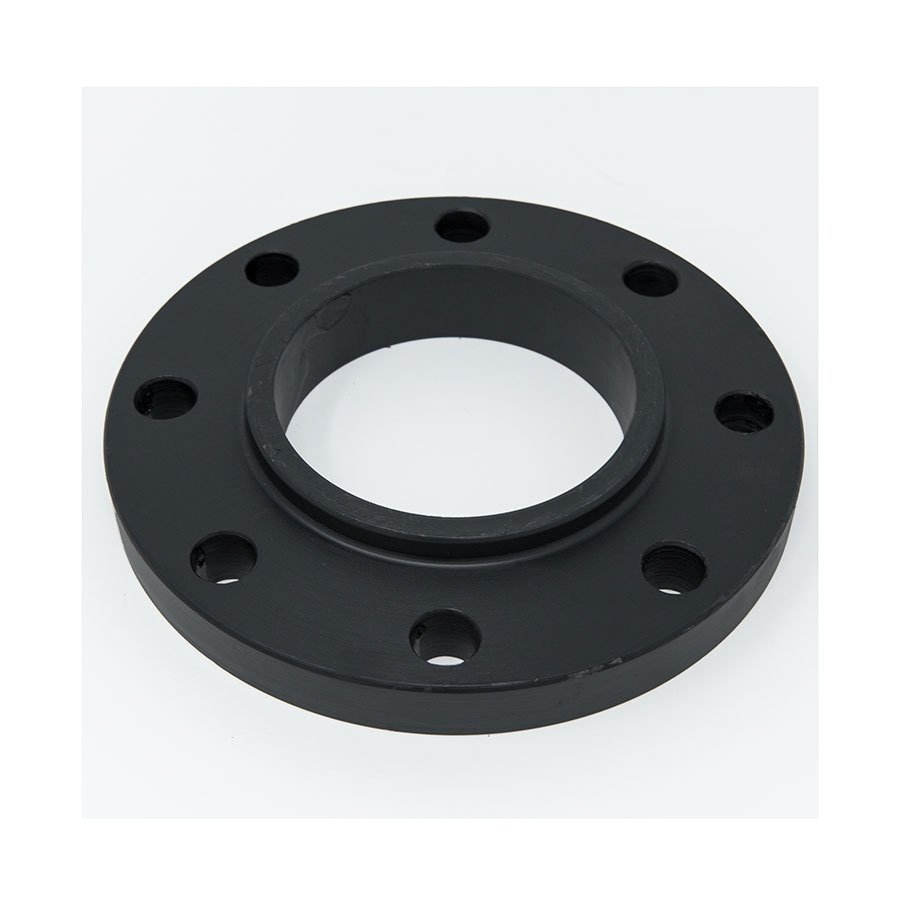 Slip-on flangesSlip-on (SORF) flanges to ASME B16.5 and EN 1092-1 in stainless, carbon, alloy and…
 PTFE fittings & flangesPTFE bellows, PTFE plate and PTFE-lined fittings for corrosive chemicals, with…
Reference
Flange types compared
| Flange | Best for | Attached by |
|---|---|---|
| Weld neck | High pressure, high temperature, cyclic loads | Buttweld to the pipe |
| Slip-on | Lower pressure, easy alignment | Fillet welds inside and outside |
| Socket weld | Small-bore, high-pressure lines | Fillet weld at the socket |
| Threaded | Lines that cannot be welded | Screwed on (NPT or BSPT) |
| Lap joint | Frequent dismantling; alloy lines | Loose over a welded stub end |
| Blind | Closing a line or a nozzle | Bolted; no bore |
| Plate | Low-pressure water, air, ducting | Fillet welds |
Reference
Flanges: materials
| Material | Specifications and grades |
|---|---|
| Stainless steel | ASTM A182 F304/304L, F316/316L, F321, F347, F310, F904L |
| Carbon steel | ASTM A105 |
| Low-temperature carbon steel | ASTM A350 LF2 |
| Alloy steel | ASTM A182 F11, F22, F5, F9, F91 |
| Duplex and super duplex | ASTM A182 F51, F53, F55, F60 |
| Nickel alloys | ASTM B564 / B462 Monel 400, Inconel 600/625, Alloy 20, Hastelloy C276 |
FAQ
Frequently asked questions
Which flange type should I choose?
Weld neck flanges suit high pressure, high temperature and cyclic loads. Slip-on flanges are easier to align and suit lower pressures. Socket weld flanges suit small-bore high-pressure lines, threaded flanges suit lines that cannot be welded, lap joint flanges with stub ends suit lines that are taken apart often, and blind flanges close a line or a nozzle.
What is the difference between RF, FF and RTJ facings?
Raised face (RF) flanges concentrate the gasket load on a raised ring and are the most common. Flat face (FF) flanges are used against cast iron or other brittle flanges. Ring type joint (RTJ) flanges seal with a metal ring in a groove and are used at high pressure and temperature.
Are Class 150 and PN16 flanges interchangeable?
No. ASME B16.5 classes and EN 1092-1 PN ratings use different bolt circles, bolt sizes and pressure-temperature tables, so a Class flange will not bolt to a PN flange of the same size. Tell us the standard of the mating flange.
What sizes and classes are covered by ASME B16.5?
ASME B16.5 covers NPS 1/2 to 24 in Classes 150, 300, 400, 600, 900, 1500 and 2500. Larger flanges, NPS 26 to 60, are made to ASME B16.47 Series A or B.
Next step
Tell us what you need
Part number, size, material or a full list: send it and get a clear quotation.